Trying to choose between a single-family home and a multi-family property in Manchester, NH? You are not alone. For many buyers, this decision comes down to a mix of budget, lifestyle, and long-term goals. The good news is that once you understand the tradeoffs, the right path usually becomes much clearer. Let’s dive in.
Start With Your Main Goal
Before you compare property types, ask yourself one simple question: Do you want a home first, or do you want a home that also functions like a small rental business? Your answer shapes almost everything that follows.
If your top priority is privacy, simpler upkeep, and a more traditional homeownership experience, a single-family home often makes more sense. If you are open to sharing a property with tenants and want rental income to help offset your payment, a multi-family property may be worth a closer look.
Manchester Market Snapshot
In Manchester, the numbers show a meaningful difference between these two options. In May 2026, the city had 66 closed single-family sales, with a median sales price of $461,750, a median list price of $500,000, 17 days on market, and 0.9 months of inventory.
Multi-family options appear to come with a higher entry point and a smaller pool of available properties. Current market data shows 26 multi-family homes for sale in Manchester at a median listing price of $563,000. Since this compares sale-price and list-price snapshots, it is not an exact apples-to-apples match, but it does suggest that multi-family properties generally require a bigger upfront budget.
Single-Family Pros and Cons
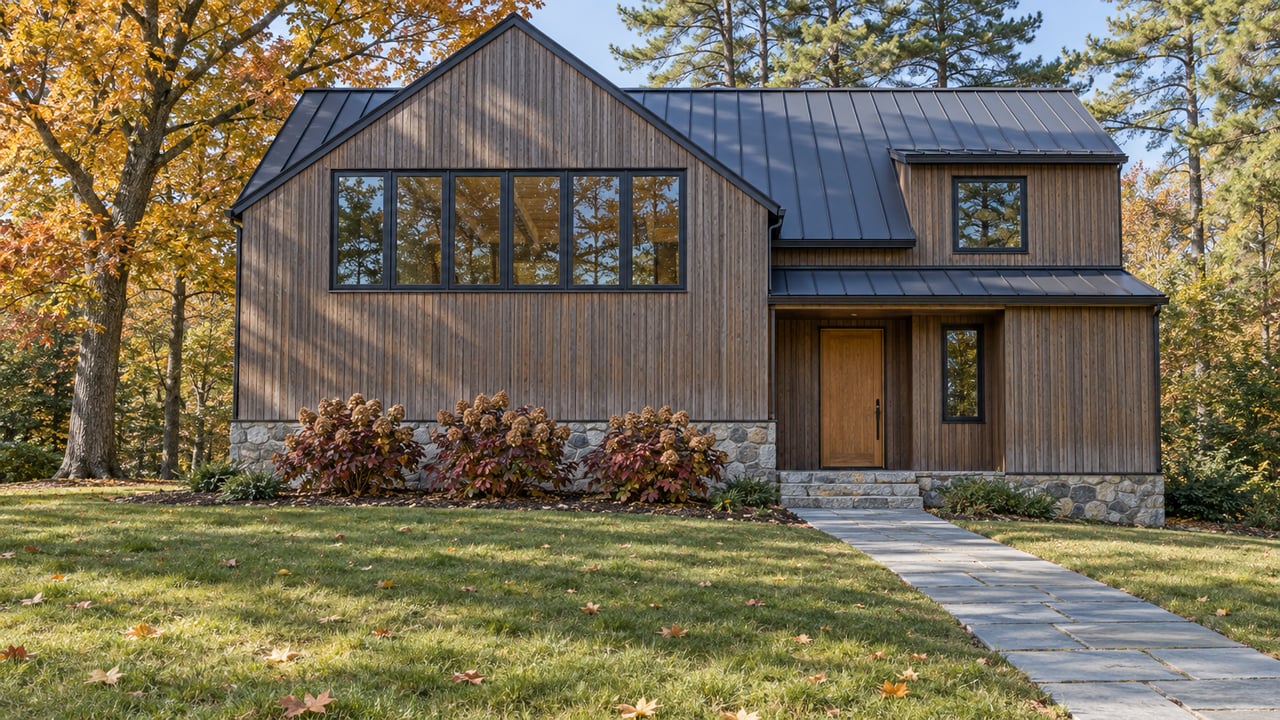
For many buyers, single-family is the simpler choice. You are focused on one household, one set of living spaces, and one repair schedule. That usually means fewer moving parts in your day-to-day life.
A single-family home can also offer more privacy and a residence-first lifestyle. If you want your home life to stay separate from landlord duties, this can be a big advantage.
The tradeoff is that you are covering the full monthly cost on your own. There is no rent from another unit to help offset the mortgage, taxes, insurance, or repairs.
When Single-Family May Fit Best
A single-family home may be the better fit if you:
- Want more privacy
- Prefer simpler maintenance and decision-making
- Do not want to manage tenants
- Are buying primarily for your own household's long-term use
- Want fewer local compliance steps tied to rental property ownership
Multi-Family Pros and Cons
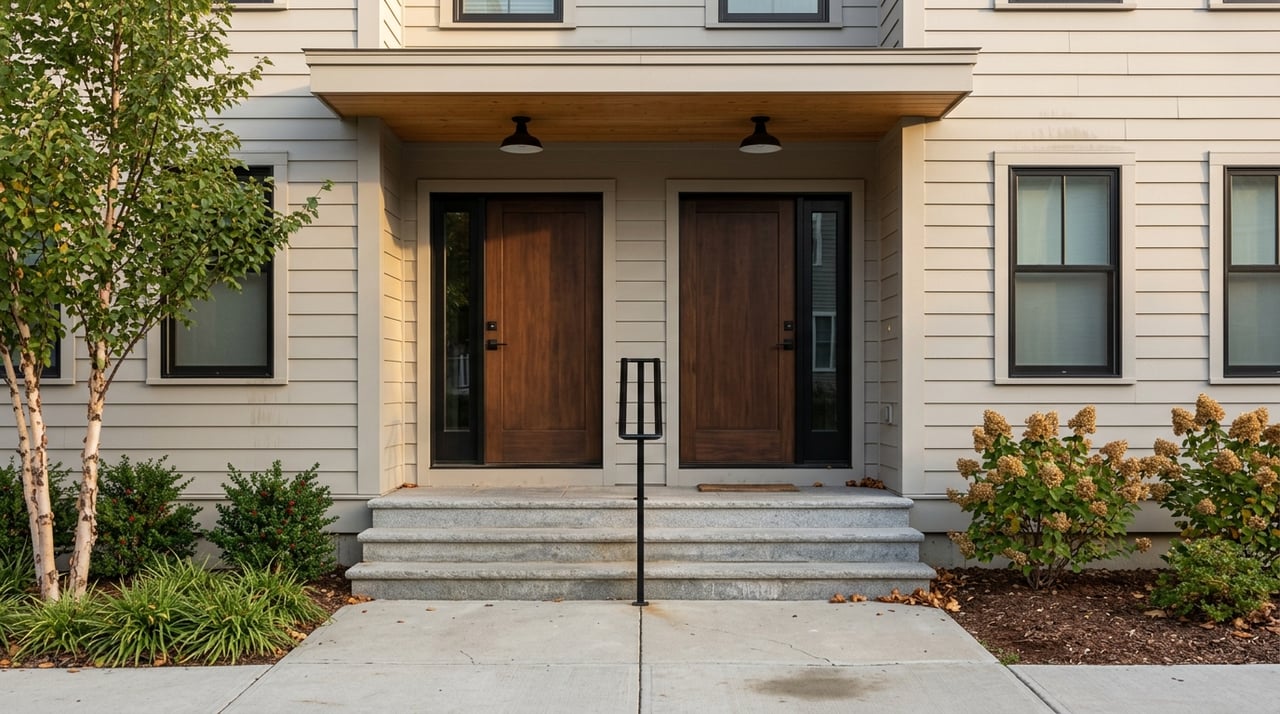
A multi-family home can be a smart option if you want to live in one unit and rent out the others. For many buyers, the biggest appeal is simple: rental income may help make the monthly payment more manageable.
That said, buying a multi-family property means taking on landlord responsibilities. You may need to collect rent, keep records, handle repairs, maintain habitability, and stay on top of legal and city requirements. Even if rental income helps, you are still responsible for the full mortgage if a unit sits vacant or a tenant pays late.
When Multi-Family May Fit Best
A multi-family property may make more sense if you:
- Want rental income to offset housing costs
- Are comfortable acting as a landlord
- Can handle vacancies, repairs, and recordkeeping
- Want to explore an owner-occupied 2- to 4-unit property
- Are prepared for extra paperwork and compliance in Manchester
The Manchester Rules Matter
This is one of the biggest local differences to understand. In Manchester, all residential rental property requires a Certificate of Compliance.
If a rental property is new, vacant, or was previously owner-occupied, the city requires an application and inspection before it can be rented or occupied. The city also identifies smoke and carbon monoxide detector requirements in each dwelling unit and in common areas. If ownership changes on a rental property with a valid certificate, transfer paperwork is also required.
For some owners, that extra layer is manageable. For others, it is a strong reason to stick with a single-family home, especially if they want a more straightforward purchase and move-in process.
Compare the Monthly Cost, Not Just Price
The sticker price is only part of the decision. You also need to look at carrying costs, especially in a market where multi-family homes may start at a higher price point.
Manchester property taxes are billed in two installments due July 1 and December 1. The city’s 2025 total tax rate is $19.58 per $1,000 of assessed value.
Using that rate as a rough example, a home priced around $461,750 would imply about $9,041 in annual property tax. A property around $563,000 would imply about $11,024 per year, or roughly $1,982 more annually before exemptions or reassessment.
Quick Cost Illustration
| Property Type | Example Price | Estimated Annual Tax* |
|---|---|---|
| Single-family | $461,750 | $9,041 |
| Multi-family | $563,000 | $11,024 |
*Based on Manchester's 2025 total tax rate of $19.58 per $1,000 of assessed value. This is a rough illustration only.
That does not mean multi-family is the wrong choice. It means you should compare the full picture, including mortgage payment, insurance, taxes, expected maintenance, and the possibility of vacancy.
Financing Can Change the Math
One reason many buyers consider multi-family properties is that low-down-payment options may still be available. FHA financing can be used on 1- to 4-unit properties, and down payments can be as low as 3.5%.
However, lower down payments do not always mean lower monthly costs. FHA loans require mortgage insurance, and borrowers who put down less than 20% often pay mortgage insurance or use another low-down-payment loan structure. That is why it is important to focus on the actual monthly payment, not just the minimum cash needed to get in the door.
In Hillsborough County, 2026 conforming loan limits also increase based on unit count. The limit is $832,750 for one unit, $1,066,250 for two units, $1,288,800 for three units, and $1,601,750 for four units. For some buyers, that opens up financing flexibility on a duplex, triplex, or fourplex that might not apply the same way to a one-unit home at a similar price level.
Can Rent Help You Qualify?
Yes, in many cases it can. If you buy an owner-occupied 2- to 4-unit property and live in one unit, documented rental income from the other units can often be counted during underwriting.
That is one of the biggest reasons buyers look at multi-family homes in Manchester. If the income is documented properly through leases, tax returns, or appraisal-related forms, it may help support your application and improve your debt-to-income picture.
Still, it is smart to stay conservative. Rental income can help you qualify, but it should not be the only reason a property works for your budget.
Do Not Forget Closing Costs and Reserves
Whether you buy single-family or multi-family, you need cash beyond the down payment. Closing costs typically run about 2% to 5% of the purchase price.
It is also wise to keep an emergency cushion. If you buy a multi-family property, reserves matter even more because vacancies, repairs, and legal expenses can show up when you least expect them.
A Practical Budget Checklist
Before you make an offer, account for:
- Down payment
- Closing costs
- Property taxes
- Homeowners insurance
- Mortgage insurance, if applicable
- Utility costs
- Immediate repairs or updates
- Ongoing maintenance
- Vacancy risk for any rental unit
- Emergency savings
A Simple Decision Rule
If you are stuck between the two, use this practical rule of thumb.
Choose a single-family home if you want privacy, simpler upkeep, and a home-centered lifestyle with fewer landlord responsibilities. Choose a multi-family property if you want rent to help offset your payment and you are comfortable managing the extra responsibilities that come with rental ownership in Manchester.
In other words, single-family often fits buyers who want simplicity. Multi-family often fits buyers who are willing to trade simplicity for income potential.
How to Make the Final Call
Once you narrow your direction, compare actual numbers side by side. Look at expected monthly payment, tax impact, insurance, cash needed at closing, and how much risk you are comfortable carrying.
If rental income is part of your plan, make sure you understand how it will be documented and how much flexibility you have if a unit is vacant. A property only works well if it still feels manageable during the less-than-perfect months.
At Granite State Realty Group, we help buyers across Manchester and the surrounding area think through these decisions with local market context and clear next steps. If you want help comparing single-family and multi-family options, request a free local market consultation with Granite State Realty Group.
FAQs
Should I buy a single-family or multi-family home in Manchester, NH?
- If you want a simpler homeownership experience, single-family may be the better fit. If you want rental income and are comfortable with landlord responsibilities, multi-family may be worth considering.
Are multi-family homes more expensive than single-family homes in Manchester?
- Current Manchester market snapshots suggest that multi-family homes usually start at a higher price point and come with a smaller selection than single-family homes.
Can rental income help me qualify for a Manchester multi-family home?
- Yes. If you live in one unit of a 2- to 4-unit property, documented rent from the other units can often be considered during underwriting.
Do I need 20% down to buy a multi-family property in Manchester?
- No. FHA financing can allow down payments as low as 3.5% on 1- to 4-unit properties, though mortgage insurance and other monthly costs still need to be factored in.
What extra rules apply to rental property in Manchester, NH?
- Manchester requires a Certificate of Compliance for residential rental property, and some properties need an application and inspection before they can be rented or occupied.
Are Manchester property taxes higher on a multi-family home?
- A higher-priced property will usually carry a higher tax bill. Using Manchester’s 2025 tax rate as a rough example, a property priced around $563,000 would imply about $1,982 more per year in taxes than one priced around $461,750 before exemptions or reassessment.