If you want a home base where coffee shops, restaurants, riverfront paths, and evening entertainment are part of your regular routine, Manchester should be on your list. For many buyers, the challenge is figuring out which parts of the city truly feel urban and which areas are better described as transitional or mixed-use. This guide will help you understand where Manchester’s city-style living is most concentrated, what types of homes you’re likely to find, and how day-to-day life can look in the urban core. Let’s dive in.
Where Manchester Feels Most Urban
Manchester’s most urban-feeling areas are centered around downtown, the Amoskeag Millyard, and the Merrimack River corridor. City planning documents describe this core as a connected district shaped by mixed-use development, pedestrian links, transit support, and redevelopment corridors.
That matters when you are searching for an urban lifestyle. Instead of thinking only in terms of traditional neighborhood lines, it helps to think about how each district functions during the day and evening, how easily you can walk to destinations, and what kind of housing stock surrounds you.
Downtown Manchester
Downtown is Manchester’s main activity center. Official city and visitor materials describe it as a vibrant hub with locally owned shops, boutiques, restaurants, and entertainment, while zoning identifies it as a central business district built to support a viable pedestrian environment with public transit and structured parking.
If your ideal day includes walking to dinner, grabbing coffee nearby, browsing independent retail, or having nightlife and events close to home, downtown is likely the strongest fit. It offers the highest concentration of activity and the clearest city-center energy in Manchester.
Amoskeag Millyard
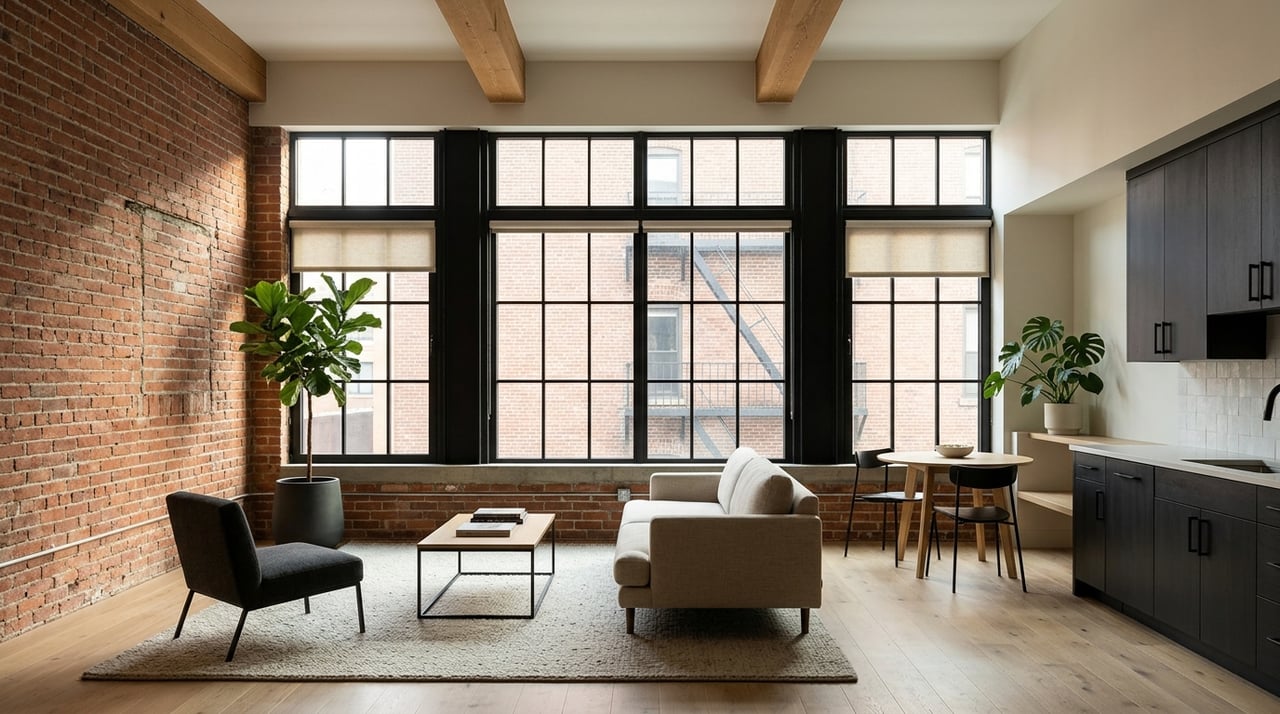
The Amoskeag Millyard offers a different version of urban living. It is known for its historic brick mill buildings, adaptive reuse, and a mix of tech offices, museums, and unique living spaces.
The city’s zoning goals for the district focus on preserving historic mill buildings while improving pedestrian connections to downtown and the Merrimack River. If you like character-rich architecture, loft-style spaces, and a setting that blends history with everyday convenience, the Millyard deserves a close look.
Riverfront and Transitional Corridors
Some buyers want city access without living in the middle of the busiest blocks. In Manchester, that often points you toward riverfront-adjacent areas and transitional mixed-use corridors between downtown and nearby multifamily districts.
The city’s zoning specifically describes one of these areas, the RDV district, as a mixed-use transition zone between downtown and multifamily housing along an old rail corridor. For you, that can translate into a more flexible urban feel, with easier access to the core but a slightly different pace.
What Housing You Can Expect
Urban lifestyle buyers in Manchester will usually see a housing mix that looks different from a typical suburban street. Instead of large detached lots being the dominant option, you are more likely to encounter restored mill spaces, loft-style homes, condos, mixed-use buildings, attached homes, and multifamily settings.
That variety is part of the appeal. It gives you more ways to match your home to your routine, whether you want lower-maintenance living, architectural character, or proximity to downtown activity.
Lofts, Condos, and Adaptive Reuse
The Millyard is especially important if you are drawn to adaptive-reuse homes. Visitor and city materials point to restored mill buildings and unique living spaces as part of the area’s identity.
These homes often appeal to buyers who value original brick, industrial details, and a setting that feels distinct from standard suburban construction. If your goal is a home with personality and a strong sense of place, this district may stand out.
Attached and Multifamily Options
City zoning also helps explain why downtown-adjacent Manchester can feel denser and more walkable. In certain civic and institutional districts, multifamily dwellings and row housing are part of the intended mix, complementing museums and civic uses.
For buyers, that means the urban core is not just about one housing style. You may find a broader range of attached and multifamily options that support a more compact, connected way of living.
What Daily Life Looks Like
Buying for an urban lifestyle is not only about the home itself. It is also about how your week flows once you move in.
Manchester’s core stands out because the city’s planning framework places real emphasis on walkability, transportation connections, and active mixed-use districts. That gives the area a practical city rhythm, not just a city look.
Walkability and Pedestrian Access
Manchester’s master plan describes the city’s original compact heart as a walkable area shaped by fine-grained mixed use, sidewalks, and public transportation. The city is also investing in downtown and Millyard transportation and pedestrian corridors through the RAISE Manchester initiative.
For you, that means walkability is not an afterthought. It is part of how the city thinks about the downtown core and its surrounding districts.
Dining, Shopping, and Entertainment
Downtown Manchester offers a broad mix of restaurants, breweries, cafés, lounges, pizzerias, wine bars, independent shops, artisan retail, and bookstores, according to official visitor materials. That concentration of options is a major reason buyers gravitate toward the area.
When you want an urban lifestyle, convenience often means being able to decide on the fly. You can head out for dinner, meet friends for a drink, or stop into a local shop without building your whole evening around a drive across town.
Arts and Culture
Manchester also offers an unusually concentrated arts and culture scene for a city of its size. Official city and visitor sources highlight destinations such as the Palace Theatre, Currier Museum of Art, Millyard Museum, Cat Alley, Studio 550, AR Workshop, and riverfront public art including the Arms Park mural.
The city’s master plan also frames the east-of-downtown arts district as a place for galleries, museums, cultural centers, residential uses, practice spaces, and artists’ lofts. If creative energy is part of what you want from a neighborhood, this adds another layer to the appeal of the urban core.
Riverfront Access
The Merrimack River is part of Manchester’s urban lifestyle story, not just scenery in the background. The city describes the Millyard Riverwalk as paved and suitable for cycling, and visitor materials point to the river as a setting for outdoor exploration.
You also have destinations tied into that experience. Delta Dental Stadium, for example, is noted as being within walking distance of the mill district, adding to the mix of recreation and entertainment near the core.
Getting Around in the Urban Core
A good urban lifestyle still has to work in real life. That means thinking about parking, transit, and access to major routes, not just what is within walking distance.
Manchester’s core offers a practical middle ground. It is urban-friendly and connected, but it is not trying to be car-free.
Parking Is Part of the System
Parking remains an important part of daily life in downtown Manchester and the Millyard. The city’s parking division manages permit zones, meter areas, and mobile payment tied to more than 3,000 spaces.
That setup can be especially helpful if you want a lively, walkable setting but still expect to own a car. It supports urban living without requiring you to give up flexibility.
Transit and the Green DASH Shuttle
Manchester Transit Authority plays a meaningful role in how the urban core functions. It operates fixed-route and paratransit service in Manchester, commuter service to Nashua, Concord, and Salem, and the free Green DASH shuttle that loops around downtown and the Millyard.
For buyers who value options, that adds convenience. Even if you drive most days, having transit and a free downtown shuttle can make everyday errands, events, and work routines easier.
Airport Access
Manchester-Boston Regional Airport is unusually convenient for a city this compact. The city notes that the airport is adjacent to a well-established interstate highway network with easy access from I-93, I-293, and Route 101, and MTA Route 3 links downtown with the airport.
If you travel for work, host out-of-town visitors, or simply want easier regional access, this can be a strong advantage. It gives urban buyers another layer of practicality that is not always available in smaller city centers.
How to Choose the Right Area
The best fit depends on the kind of urban routine you want. In Manchester, the strongest approach is to compare districts by lifestyle and housing type instead of trying to force a simple neighborhood ranking.
Here is a practical way to think about it:
- Choose downtown if you want the highest concentration of dining, shopping, entertainment, and daily street activity.
- Choose the Millyard if you want historic brick architecture, adaptive-reuse buildings, and easy connections to downtown and the river.
- Choose riverfront or transitional corridors if you want mixed-use access, trail connections, and a slightly more flexible edge-of-core feel.
When you tour homes, pay attention to more than square footage. Notice the walking routes, parking setup, nearby activity level, building style, and how easy it feels to move between home, dining, entertainment, and transit.
Why Local Guidance Matters
Urban lifestyle buying is often more nuanced than a standard suburban home search. Two properties may be only a short distance apart but offer very different day-to-day experiences based on block pattern, building type, parking access, and proximity to downtown or the riverfront.
That is where local, on-the-ground guidance makes a difference. When you understand how Manchester’s districts actually function, you can focus your search on the places that match your routine, your preferences, and the kind of home you want to enjoy long-term.
If you are exploring city-style homes in Manchester, Granite State Realty Group can help you compare neighborhoods, understand your options, and move forward with confidence.
FAQs
What part of Manchester feels most urban for homebuyers?
- The most urban-feeling parts of Manchester are downtown, the Amoskeag Millyard, and the Merrimack River corridor, where mixed-use development, walkability, and transit connections are most concentrated.
What housing types are common in urban Manchester neighborhoods?
- Buyers in Manchester’s urban core are more likely to see lofts, restored mill spaces, condos, mixed-use buildings, attached homes, and multifamily housing than large detached suburban lots.
Is downtown Manchester walkable for daily activities?
- Yes. City planning documents describe Manchester’s compact core as a walkable area with mixed uses, sidewalks, and public transportation, and the city is investing in pedestrian corridors in the downtown and Millyard areas.
Does Manchester offer parking in downtown and the Millyard?
- Yes. The city provides downtown and Millyard permit zones, meter areas, mobile payment options, and access to more than 3,000 parking spaces.
Is there public transit in Manchester’s urban core?
- Yes. Manchester Transit Authority operates fixed-route and paratransit service, commuter routes to nearby cities, and the free Green DASH shuttle that loops through downtown and the Millyard.
What makes the Amoskeag Millyard attractive to urban lifestyle buyers?
- The Millyard stands out for its historic brick architecture, adaptive-reuse buildings, unique living spaces, pedestrian connections to downtown, and access to the Merrimack River and Riverwalk.