Wondering if a brand‑new build or a lived‑in home is the smarter move in Londonderry? You’re not alone. Many buyers love the idea of modern systems and customization, yet also value mature lots and faster move‑in dates. In this guide, you’ll compare both paths side by side, with local context, timelines, fees, and a practical checklist to help you decide with confidence. Let’s dive in.
Why Londonderry stands out
Londonderry sits along I‑93 with quick access to Manchester and convenient reach to Greater Boston for some commuters. Manchester‑Boston Regional Airport (MHT) is the nearby commercial hub, supporting easy travel and logistics for the region. You can learn more about the airport’s regional role in this overview of recent activity at MHT from a local development partner in a regional airport update.
The town’s housing stock grew rapidly after 1970 and is predominantly single‑family detached. That means many resale homes offer established yards and larger lots, while new construction is often found in newer subdivisions or townhouse communities. For context on housing mix and neighborhood character, see the town’s Master Plan housing chapter.
Taxes matter to your monthly budget. Londonderry’s 2025 tax rate is listed at approximately $14.47 per $1,000 of assessed value, and the town completed a 2025 revaluation that can change assessments even if the rate stays similar. Review the latest figures on the town’s Assessing page.
Families appreciate that Londonderry is served by the Londonderry School District (SAU 12), which includes multiple elementary schools, one middle school, and Londonderry High School. Find district details on the Londonderry School District site.
Market data snapshots can vary. Listing‑based sources in Jan 2026 showed a median listing price around $595,000 in Londonderry, while a closed‑sales snapshot in early 2026 showed a lower median near $425,000. The difference comes from timing and which sales are included. Always check date stamps and whether a stat represents asking or closed prices.
New construction vs resale at a glance
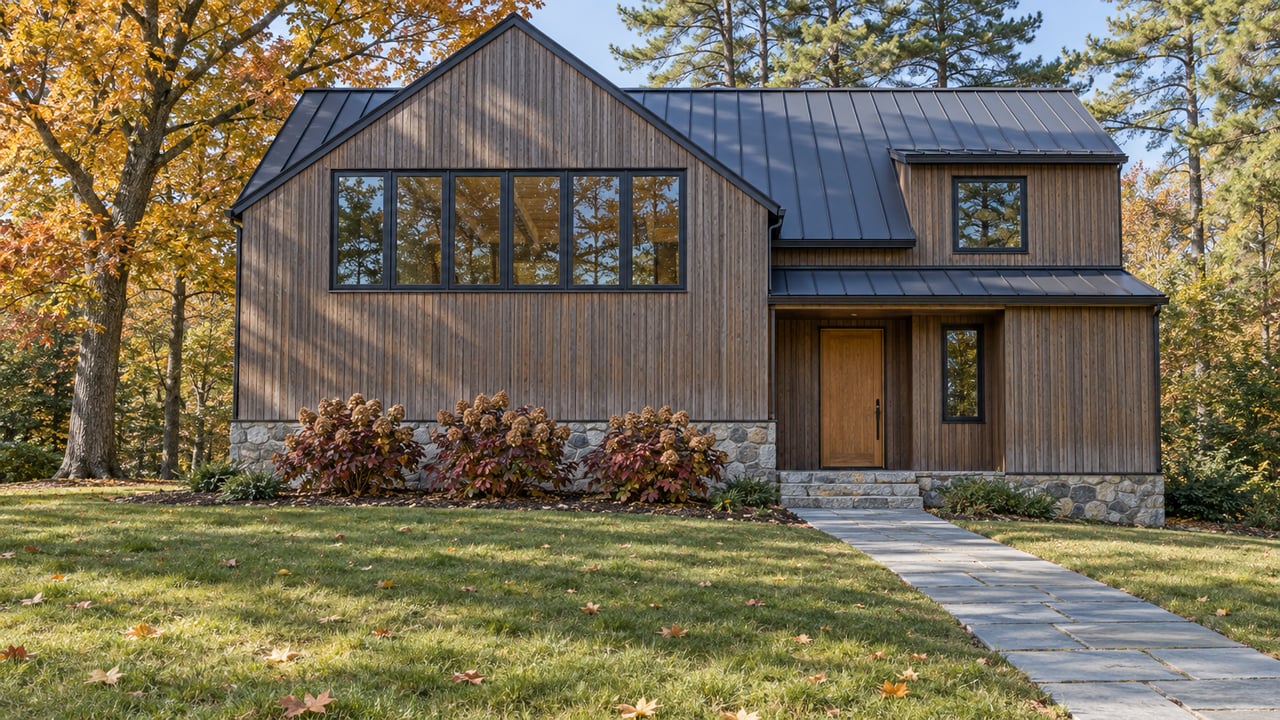
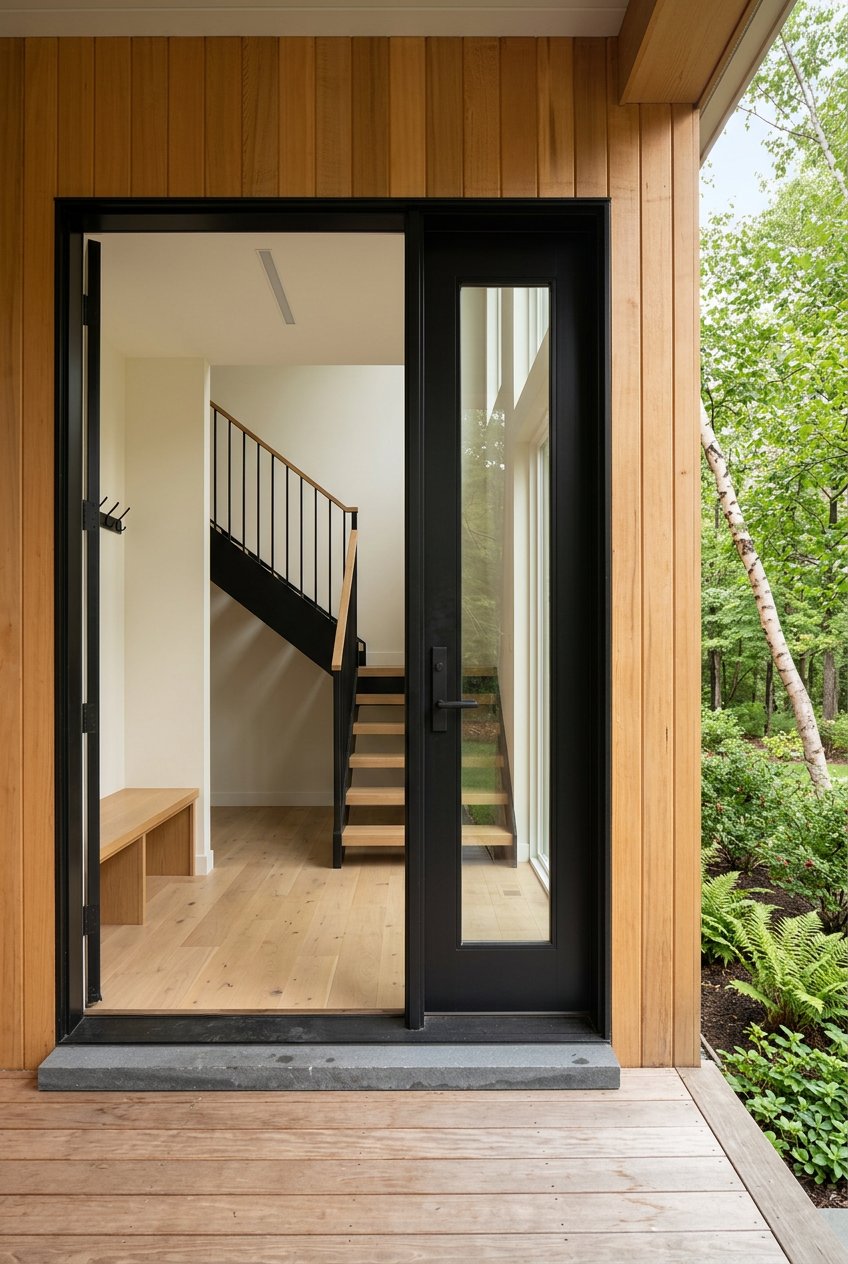
- New construction: modern systems, energy efficiency, customization, and warranties. Plan for a longer timeline, potential HOA fees, and appraisal/financing differences.
- Resale: typically faster closings and established lots. Expect potential updates and more short‑term maintenance depending on age and condition.
Timelines and move‑in planning
- New construction: A ground‑up build often takes about 6 to 12 months once construction begins, with the full process stretching longer when you include design, selections, permitting, and site work. New England weather can extend schedules, especially in winter. See an overview of typical build timelines in this homebuilding timeline explainer.
- Resale: With an accepted offer and financing, many purchases close in roughly 30 to 45 days. If you have a fixed move date, a resale or a move‑in‑ready spec home can reduce timing risk.
Customization and finishes
- New construction: You choose finishes and sometimes layout tweaks through builder design centers and allowances. The earlier you get involved, the more selection flexibility you usually have. Many local townhome communities, like Sheffield Place, highlight design‑center options so you can personalize cabinets, counters, and flooring.
- Resale: You typically buy as‑is and renovate after closing. Renovations can be done on your schedule, but each project will require its own budget and contractor oversight.
Warranties and early maintenance
- New construction: Many reputable builders offer staged warranty coverage, often summarized as workmanship coverage in year one, systems coverage in year two, and structural coverage for a longer term. Read the warranty documents closely so you know what’s covered and how to submit claims.
- Resale: There is no builder warranty by default. Your home inspection and seller disclosures are key to estimating near‑term repairs and planning a maintenance budget.
Inspections and quality control
- New construction: Municipal inspections and builder walkthroughs are part of the process, and you typically complete a pre‑closing punch list. Many buyers also hire an independent inspector for phased checks, such as pre‑drywall and final. Industry pros widely recommend these phased inspections because concealed issues are easier to fix before finishes go in. Learn why in this inspector discussion on phased inspections.
- Resale: A general home inspection is standard before closing. Older systems or deferred maintenance are more common to flag here, but surprises can happen in any home.
Financing and appraisal differences
- New construction: Some projects require construction‑to‑permanent financing or builder‑specific lender approvals. You may pay interest during construction and face appraisal questions if there are few nearby comparable sales. Understand your appraisal contingency and have a plan if the appraisal comes in below your contract price. This homebuilding financing overview outlines key concepts.
- Resale: Conventional mortgages are usually straightforward in active markets, though unique or very old homes can still bring appraisal challenges.
HOAs, fees, and covenants
- New townhome and condo communities commonly include HOA or condo fees that cover exterior maintenance, landscaping, and snow removal. In some 55+ communities, monthly fees have been reported in the low hundreds per month in recent local listings. Ask what is included, how reserves are managed, and whether utilities like community septic are covered.
- Many resale single‑family homes have no HOA. You will manage lawn care, snow removal, and exterior upkeep on your own.
If the property is on a community or private system, confirm who maintains the water and sewer. The town notes that Londonderry has multiple water‑and‑sewer arrangements across neighborhoods. You can see examples of how utilities vary in the town’s public works and archive resources, then verify specifics at the parcel level.
Pricing realities in Londonderry
New construction often carries a per‑square‑foot premium thanks to new systems, energy codes, and builder margins. For example, builder pages for new townhomes in Londonderry show starting prices in the mid‑$500,000s to $600,000s. Compare that to recent closed sales for similar homes on similar lots to understand your personal budget tradeoffs. Do not assume a uniform “new‑versus‑old” premium across the whole town because product types vary.
To keep perspective, remember that medians can swing month to month in smaller markets. In early 2026, listing‑based snapshots showed a higher median than closed‑sales snapshots. Always compare apples to apples within your target neighborhood and product type.
Local examples to explore
- Sheffield Place (townhomes): Low‑maintenance living with design‑center choices and an HOA. A good example of new townhome product in town. Explore the Sheffield Place community page for features and options.
- Hanafin Farm (55+): A recent age‑restricted community of detached and townhouse‑style residences that sold through 2022 to 2024. It shows the demand for low‑maintenance, age‑restricted product and typical monthly fee ranges in town.
- Marcona Lane (single‑family infill): Smaller new homes near town conveniences and highway access. See an example of neighborhood‑style new construction at Marcona Lane.
Note: Community prices, fees, and availability change. Confirm dates on any listing or builder page before relying on figures.
Quick buyer checklist
Use this as your side‑by‑side filter when you compare a new build to a resale home:
- Timeline and move‑in date: Builder start and finish windows, winter buffer, and what happens if deadlines slip. If you have a firm move date, consider resale or move‑in‑ready inventory. Review general build timing factors in this timeline explainer.
- Inclusions vs allowances: What finishes are included, which are upgrades, and how allowances work. Many builders outline choices on their community pages such as Sheffield Place.
- Change orders: How selections are approved, deposits, and deadlines to avoid delays or cost overruns. Ask how pricing is locked.
- Warranties: Exact warranty periods, what is covered, and the claims process. Confirm whether there is third‑party backing.
- Inspections: Will the builder allow phased inspections pre‑drywall and at final? Independent checks are widely recommended, as discussed in this phased‑inspection thread.
- HOA and condo docs: CC&Rs, rules, fee schedules, reserves, and any history of special assessments. Make sure you know what services are included.
- Utilities: Public water and sewer or private/community systems, and who maintains them. The town notes multiple arrangements across Londonderry’s neighborhoods in archived public works materials.
- Permits and occupancy: Who pulls permits, manages inspections, and secures the certificate of occupancy.
- Financing specifics: Construction‑to‑perm vs standard mortgage, lender incentives, rate buydowns, and appraisal contingency terms.
- Local comps: Ask your agent for recent closed comps within the same subdivision or product type rather than relying on a townwide average.
How to choose the right fit
- Pick new construction if you value low maintenance, energy efficiency, customization, and you have flexibility on timing.
- Pick resale if you want a larger lot or mature landscaping, a faster move, and you are comfortable budgeting for updates.
- Either path can be a smart investment in Londonderry. The key is aligning your timeline, monthly budget, and lifestyle needs with neighborhood‑level data and the real homes available today.
Next steps with a local guide
If you’re weighing new vs resale, a local agent can help you compare real‑time inventory, HOA details, utility setups, and neighborhood‑level comps. Our team lives and works the Bedford–Manchester–Londonderry corridor and can walk you through options step by step. Ready to talk through your plan and timeline? Connect with Granite State Realty Group to request a free local market consultation.
FAQs
What costs more in Londonderry, new construction or resale?
- New homes typically carry a higher price per square foot due to modern systems and energy codes, while resale may offer a lower purchase price but higher near‑term maintenance or renovation costs.
Do you still need an inspection on a brand‑new Londonderry home?
- Yes; phased inspections such as pre‑drywall and final are widely recommended to catch concealed issues before finishes are installed.
How long does it take to build a new home in Londonderry?
- Many builds take about 6 to 12 months once construction begins, with total timelines longer when you include design, selections, permitting, and seasonal weather.
Are HOAs common with new construction in Londonderry?
- Yes; many townhome and condo communities include monthly fees that cover exterior maintenance, landscaping, and snow removal, often in the low hundreds per month.
How are property taxes calculated for a new build in Londonderry?
- Taxes use the town’s current rate times assessed value; the 2025 rate was about $14.47 per $1,000, and revaluations can change assessments even if the rate is similar.